

How to Maintain a Car in Kenya (Complete Beginner’s Guide)
Maintaining a car in Kenya is essential for saving money, improving safety, and extending your vehicle’s lifespan. Whether you drive daily in Nairobi traffic or occasionally upcountry, regular maintenance prevents costly breakdowns and ensures optimal performance. In this article we look at how to maintain a car in kenya.
This guide breaks down simple, practical car maintenance steps you can follow—even without mechanical expertise.
What Is Car Maintenance?
Car maintenance involves regular checks, servicing, and care routines that keep your vehicle running safely and efficiently. It includes inspecting fluids, tyres, brakes, battery, and keeping the car clean.
Regular maintenance helps prevent breakdowns and expensive repairs by catching problems early. (CarWiki.net)
Essential Car Maintenance Checklist
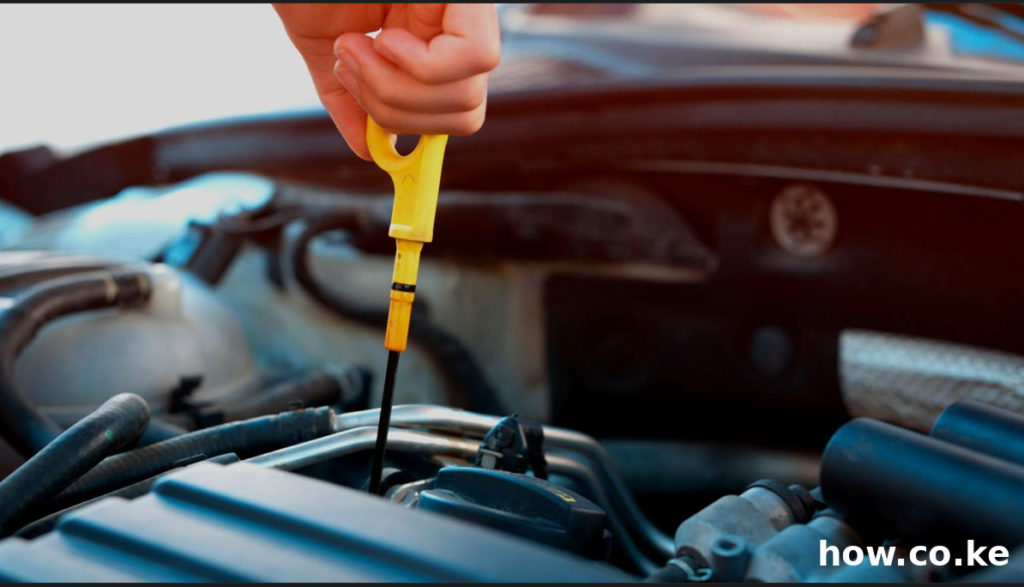
1. Check Engine Oil Regularly

- Check oil level at least once a month
- Use the dipstick to confirm it’s within safe range
- Change oil every 5,000–10,000 km depending on your car
Engine oil lubricates moving parts—without it, your engine can fail. (Experian)
2. Inspect Tyres (Pressure & Condition)

- Check pressure every 2 weeks
- Ensure tread depth is safe
- Look for cuts, bulges, or uneven wear
Proper tyre care improves fuel efficiency and safety. (The AA)
3. Monitor Car Fluids

Key fluids to check:
- Coolant (prevents overheating)
- Brake fluid (ensures braking power)
- Transmission fluid
- Windscreen washer fluid
Low or dirty fluids can lead to major mechanical issues. (The AA)
4. Check the Battery

- Inspect for corrosion on terminals
- Ensure connections are tight
- Replace every 3–5 years
Battery failure is one of the most common causes of breakdowns. (The AA)
5. Inspect Brakes Regularly

Watch out for:
- Squeaking or grinding noises
- Delayed stopping
- Car pulling to one side
Faulty brakes are dangerous—get them checked immediately. (The AA)
6. Replace Air Filters

- Replace every 12,000–15,000 miles (or as needed)
- Dirty filters reduce engine performance and fuel efficiency
7. Keep Your Car Clean (Inside & Outside)

- Wash regularly to prevent rust and paint damage
- Clean interior to maintain comfort
- Wax occasionally for protection
Cleaning helps preserve your car’s value over time. (Experian)
8. Follow Your Service Schedule
- Refer to your owner’s manual
- Service at recommended intervals
- Replace worn parts early
Routine servicing prevents small issues from becoming major repairs.
How Often Should You Maintain Your Car?
| Task | Frequency |
|---|---|
| Oil check | Monthly |
| Tyre pressure | Every 2 weeks |
| Full service | Every 5,000–10,000 km |
| Battery check | Every 3–6 months |
| Brake inspection | Every 6–12 months |
Pro Tips for Car Maintenance in Kenya
- Avoid rough roads where possible (reduces suspension damage)
- Use quality fuel from reputable petrol stations
- Service your car before long trips (e.g., Nairobi to upcountry)
- Don’t ignore dashboard warning lights
Common Mistakes to Avoid
- Skipping oil changes
- Driving with low tyre pressure
- Ignoring unusual sounds
- Delaying minor repairs
Neglecting maintenance leads to higher long-term costs and breakdown risks.
FAQs About Car Maintenance in Kenya
1. What is the most important car maintenance task?
Regular oil changes—this protects your engine and prevents costly damage.
2. How much does car maintenance cost in Kenya?
Basic servicing typically ranges from KES 5,000–15,000, depending on the car type.
3. Can I maintain my car myself?
Yes—simple tasks like checking oil, tyre pressure, and cleaning can be done at home.
4. How do I know my car needs servicing?
Watch for warning lights, strange noises, reduced performance, or increased fuel consumption.
5. How often should I service my car in Kenya?
Every 5,000–10,000 km or as recommended by your manufacturer.
Conclusion
Proper car maintenance isn’t optional—it’s a necessity. By following these simple steps, you’ll save money, improve safety, and extend your car’s lifespan.
If you stay consistent, your car will reward you with reliability, efficiency, and fewer breakdowns on Kenyan roads.