
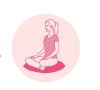

🧘♂️ How to Meditate for Beginners (Step-by-Step Guide to Calm Your Mind Fast)
What Is Meditation?
Meditation is a mental practice that involves focusing your attention and eliminating distractions to achieve a state of clarity, calmness, and emotional balance.
According to the National Center for Complementary and Integrative Health, meditation has been scientifically shown to reduce stress, improve concentration, and enhance overall well-being.
Similarly, the World Health Organization recognizes stress as a major global health issue—and meditation is one of the most effective non-medical ways to manage it.
Why Meditation Matters (Backed by Science)
Regular meditation is not just a wellness trend—it is a clinically supported mental training practice.
Proven Benefits:
Reduces stress and anxiety
Improves focus and attention span
Enhances emotional regulation
Promotes better sleep
Supports mental health
A Harvard study by Harvard Medical School found that meditation can physically change brain structure, increasing gray matter in areas linked to memory and emotional control.
How to Meditate for Beginners (Step-by-Step)
Follow this simple method if you’re starting for the first time:
Step 1: Find a Quiet Place
Choose a calm, distraction-free environment. It could be your bedroom, office, or even a quiet outdoor space.
Step 2: Sit Comfortably
You don’t need a special pose:
Sit on a chair or floor
Keep your back straight
Relax your shoulders
Step 3: Focus on Your Breath
Pay attention to:
The air entering your nose
Your chest rising and falling
👉 This is the foundation of mindfulness meditation.
Step 4: Let Thoughts Come and Go
Your mind will wander—that’s normal.
Instead of fighting thoughts:
Notice them
Let them pass
Return focus to your breath
Step 5: Start Small (5–10 Minutes)
Consistency matters more than duration:
Begin with 5 minutes daily
Gradually increase to 10–20 minutes
Best Meditation Techniques for Beginners
1. Mindfulness Meditation
Focus on your breath and observe thoughts without judgment.
👉 Best for: beginners, stress relief
2. Guided Meditation
Follow audio or video instructions from a teacher or app.
Popular apps include:
Headspace
Calm
👉 Best for: people who struggle to focus alone
3. Body Scan Meditation
Shift attention through different parts of your body.
👉 Best for: relaxation and sleep
4. Loving-Kindness Meditation
Focus on developing compassion for yourself and others.
👉 Best for: emotional healing
How to Meditate for Anxiety and Stress
If you’re dealing with anxiety, meditation can help regulate your nervous system.
The American Psychological Association notes that mindfulness meditation reduces symptoms of anxiety by improving emotional control.
Quick Technique:
Inhale deeply for 4 seconds
Hold for 2 seconds
Exhale slowly for 6 seconds
Repeat for 5 minutes
How to Meditate at Home (Even With Distractions)
You don’t need a perfect environment.
Practical Tips:
Use earphones or calming music
Meditate early morning or before sleep
Create a small “meditation corner”
Consistency beats perfection.
How Long Should You Meditate?
Beginners: 5–10 minutes daily
Intermediate: 15–20 minutes
Advanced: 30+ minutes
According to Mayo Clinic, even a few minutes of meditation daily can significantly reduce stress.
What Happens When You Meditate Daily?
Within weeks of consistent practice, you may notice:
Short-Term Effects:
Reduced stress
Better focus
Improved mood
Long-Term Effects:
Lower anxiety levels
Better sleep quality
Increased emotional resilience
Meditation works like exercise—the benefits compound over time.
Common Meditation Mistakes Beginners Make
Avoid these to progress faster:
❌ Expecting instant results
❌ Trying to “stop thinking” completely
❌ Being inconsistent
❌ Meditating for too long too soon
👉 Meditation is about awareness—not perfection.
Pro Tips to Make Meditation a Daily Habit
Attach it to an existing routine (e.g., after waking up)
Use a timer or app
Start small and build gradually
Track your progress
Frequently Asked Questions
Can I meditate lying down?
Yes—but you may fall asleep. Sitting is better for focus.
What is the best time to meditate?
Morning is ideal, but any consistent time works.
How do I know if I’m meditating correctly?
If you’re bringing your attention back when it wanders—you’re doing it right.
Conclusion
Meditation is one of the simplest yet most powerful habits you can build. You don’t need special equipment, hours of time, or perfect focus—just consistency.
Start with 5 minutes today, and over time, you’ll train your mind to become calmer, clearer, and more resilient.
🔗 Related:-
How to Improve Mental Health
How to Build a Daily Routine
How to Stay Focused and Productive



Meditating does not help at all
True this may not work for everyone. There are other ways you can be calmer, more present. Tell us what works for you?