

Measles is a highly contagious illness that remains a concern worldwide. Understanding how it spreads, how to recognize its symptoms, and most importantly, how to prevent it, is crucial for protecting yourself and your community. This guide will walk you through everything you need to know about measles.
Key Takeaways
- Measles spreads easily through the air when someone coughs or sneezes, and the virus can linger on surfaces for a couple of hours, making it highly infectious.
- You are most contagious from about four days before a rash appears to four days after it starts, but the virus can spread even before you feel sick.
- Not being vaccinated is the biggest risk factor for contracting measles, and even one dose of the vaccine does not offer as much protection as two.
- Symptoms typically begin with a fever, cough, and runny nose, followed by red, watery eyes and then a characteristic rash that spreads down the body.
- The most effective way to prevent measles is through vaccination, with two doses of the MMR vaccine providing strong, long-lasting protection for most individuals.
How Measles Spreads
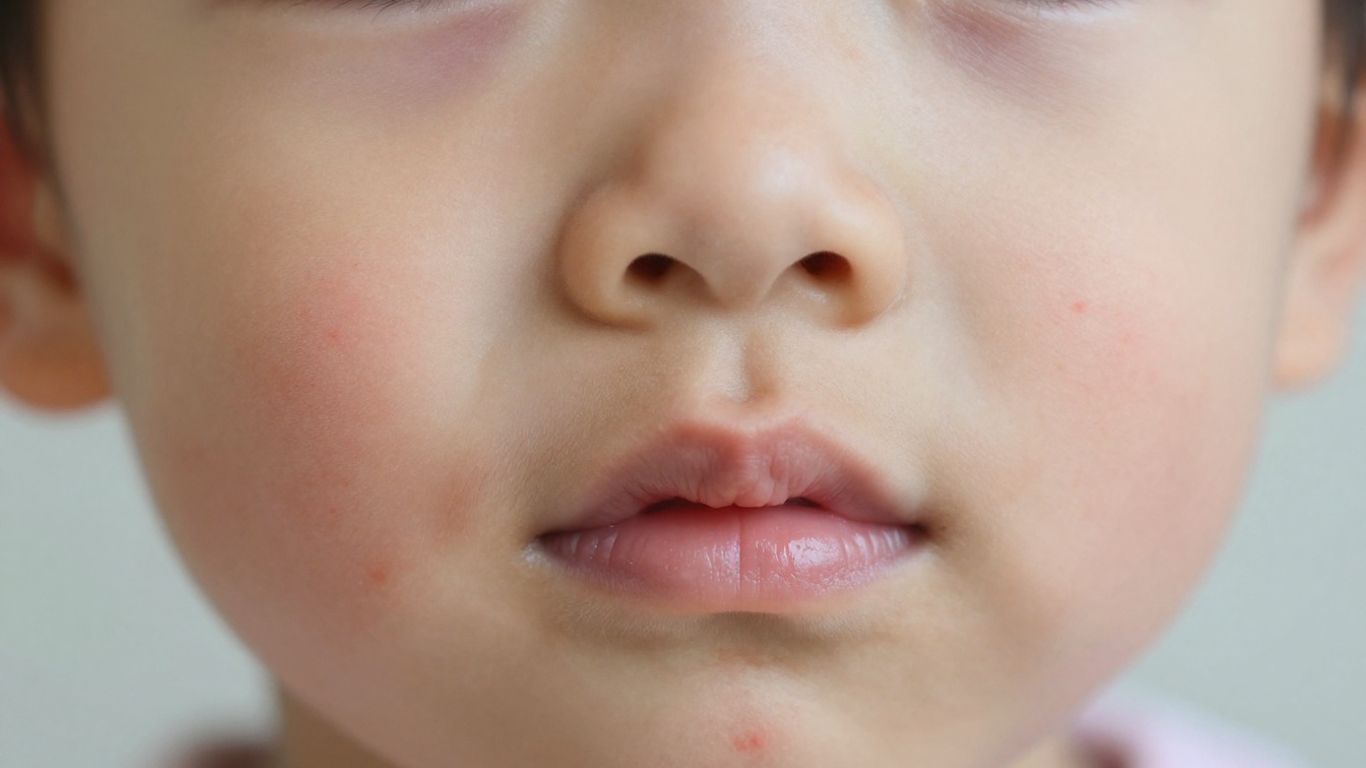
Measles is caused by a virus that is primarily airborne, meaning it travels through the air. When an infected person coughs or sneezes, tiny droplets containing the virus are released. These droplets can remain suspended in the air for up to two hours, making enclosed spaces particularly prone to transmission.
Airborne Transmission in Enclosed Spaces
Because the virus can stay airborne, simply being in the same room as an infected person, even after they have left, can lead to infection. This is especially concerning in crowded environments like schools, daycare centers, or waiting rooms.
Transmission via Contaminated Surfaces
While airborne transmission is the primary mode, the measles virus can also survive on surfaces. If you touch a contaminated surface and then touch your eyes, nose, or mouth without washing your hands, you can become infected. Regular handwashing is a key preventive measure.
Mother-to-Infant Transmission
Measles can be transmitted from a mother to her baby during pregnancy, childbirth, or breastfeeding. This is a significant concern as newborns are too young to be vaccinated and are therefore highly vulnerable to severe illness and complications.
When Measles is Contagious
Understanding the contagious period of measles is vital for preventing its spread. You can transmit the virus even before you show symptoms.
Peak Infectivity Period
You are most contagious from approximately four days before your rash appears until four days after it begins. During this time, the virus is actively shed from your respiratory tract, making transmission highly likely through coughing, sneezing, or talking.
Virus Survival in the Environment
The measles virus is resilient and can remain viable in the air and on surfaces for up to two hours. This airborne survival contributes to its rapid spread in shared environments.
Contagion Before and After Rash Appearance
Infectivity begins before the rash emerges, typically during the prodromal phase characterized by fever, cough, and runny nose. You can also remain contagious for a few days after the rash starts to fade. This extended period of infectivity highlights the importance of isolation and hygiene.
- Pre-rash: Contagious up to 4 days before the rash appears.
The ability to spread measles before symptoms are obvious makes it a stealthy virus. This means that even if someone feels a bit under the weather with cold-like symptoms, they could potentially be spreading measles without knowing it. Prompt identification and isolation are vital, but challenging, given this incubation period.
How to Identify Who is at Risk for Measles
While anyone not immune can contract measles, certain groups are at a higher risk of infection and severe illness.
Unvaccinated Individuals
The most significant risk factor for measles is a lack of vaccination. Individuals who have not received the measles vaccine, or have only received one dose, are highly susceptible. Two doses of the vaccine provide robust, long-lasting protection.
Travelers and Those in Outbreak Areas
Individuals traveling to regions where measles is prevalent or who are in areas experiencing an outbreak are at increased risk, especially if they are not fully vaccinated. International travel can reintroduce measles into communities with lower vaccination rates.
Individuals with Weakened Immune Systems
People with compromised immune systems due to medical conditions or treatments are more vulnerable to severe measles and its complications. Community-wide vaccination efforts are crucial for protecting these individuals.
- Infants too young for the vaccine: They rely entirely on the immunity of those around them.
- People undergoing chemotherapy: Their immune defenses are deliberately suppressed.
- Individuals with HIV/AIDS: This condition directly impacts the immune system’s ability to fight infections.
- Those with certain genetic immune disorders: These conditions impair the body’s natural defenses.
It’s a bit of a domino effect. When vaccination rates dip, even for a short time, the virus finds more opportunities to spread. This then puts those who can’t be vaccinated, or for whom the vaccine isn’t as effective, in a much more vulnerable position. It highlights how interconnected our health is within a community.
How to Recognize Measles Symptoms
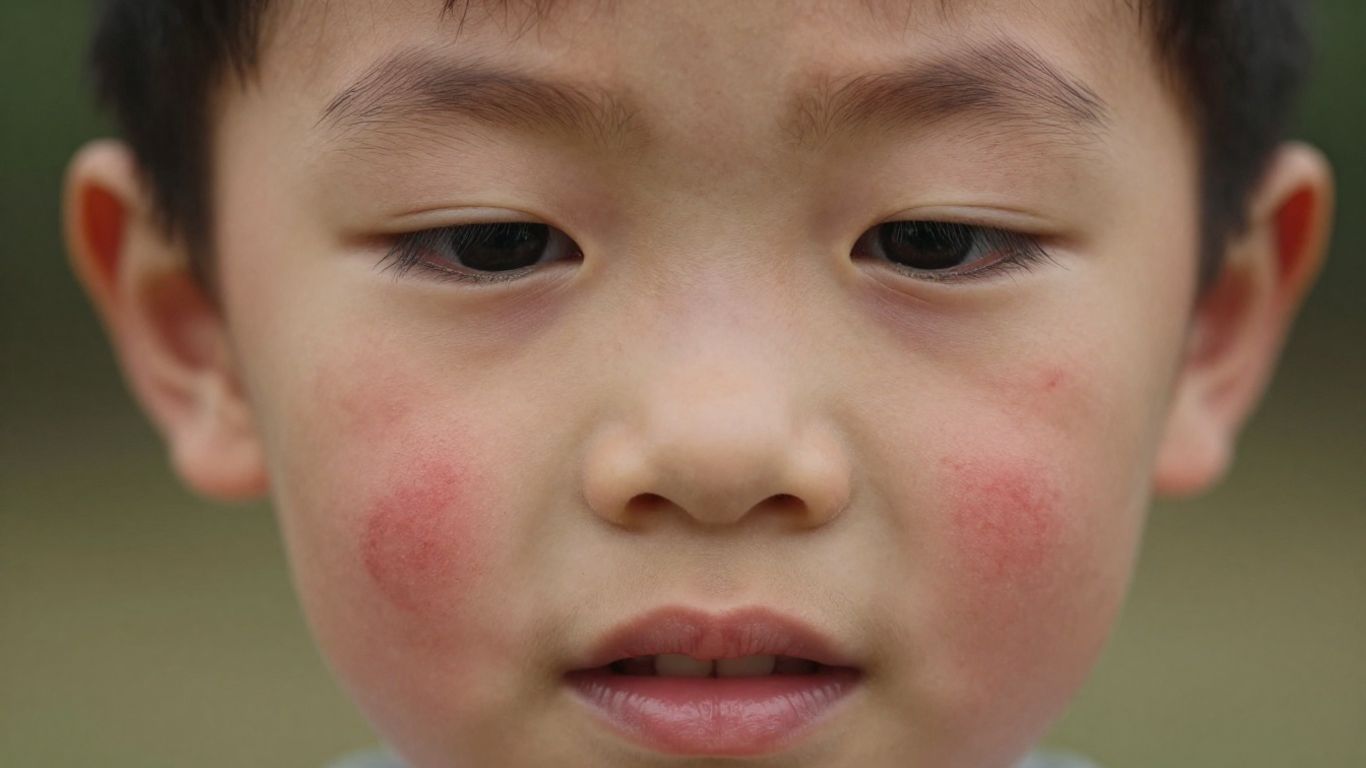
Recognizing measles can be challenging as early symptoms mimic those of a common cold or flu. Understanding the progression of the disease is key to timely diagnosis and care.
Early Signs of Measles Infection
- Fever: Often the very first hint, and it’s usually high—sometimes soaring above 104°F (40°C).
- Cough:cough.
- Runny nose and watery eyes; these can make you feel worn down.
- Conjunctivitis: Red, swollen eyes.
How the Measles Rash Appears and Spreads
- The characteristic measles rash typically appears 3-5 days after the onset of initial symptoms.
- It begins as flat, blotchy red spots on the face, often starting near the hairline and behind the ears.
- The rash then spreads downwards over the next few days, covering the neck, chest, back, arms, and legs.
- On darker skin tones, the rash may appear purplish or less distinct.
- The spots may merge into larger patches but are generally not itchy.
| Symptom | Timing | Key Characteristics |
|---|---|---|
| High Fever | 7-14 days post-exposure | Peaks before rash |
| Koplik Spots | 2-3 days after fever onset | Tiny white spots inside the mouth |
| Rash | 3-5 days after fever onset | Starts on face, spreads downwards |
Recognizing Severe Measles and Complications
- Pneumonia: Occurs in about 1 in 20 children with measles and can be life-threatening.
- Ear infections: Common and can lead to hearing loss.
- Encephalitis: Rare but serious swelling of the brain, causing confusion, neck stiffness, or seizures.
- Diarrhea and dehydration: Can be severe, particularly in young children.
Even after the rash appears, monitor for breathing difficulties, seizures, or confusion, which could indicate a serious complication. Seek immediate medical attention if symptoms worsen rapidly.
Early recognition of measles is vital, especially for vulnerable populations like infants, the elderly, and individuals with weakened immune systems. Prompt medical care can significantly improve outcomes.
How to Prevent Measles
Measles is highly contagious, spreading primarily through respiratory droplets from coughing and sneezing. It can also survive on surfaces for a period. Prevention is key to controlling its spread.
The Effectiveness of Measles Vaccination
Vaccination is the most effective strategy for preventing measles. Since the introduction of the measles vaccine, millions of deaths have been averted globally. It provides a safe and highly effective shield against the virus, preventing widespread epidemics that were once common.
Why Two Doses of the MMR Vaccine are Important
For optimal and long-lasting protection against measles, two doses of the MMR (measles, mumps, rubella) vaccine are recommended. The first dose is typically given around 9-15 months of age, with the second dose administered later in childhood. This two-dose schedule provides approximately 97% immunity for life. Even if a vaccinated person contracts measles, their illness is usually milder and less likely to be spread.
Public Health Strategies During Outbreaks
During measles outbreaks, public health authorities implement strategies such as targeted vaccination campaigns to reach unvaccinated or under-vaccinated populations. They also monitor travel patterns to prevent the importation of cases and quickly contain any emerging clusters. These efforts are crucial for maintaining high community immunity levels.
The measles virus is incredibly persistent. It can linger in the air and on surfaces for up to two hours after an infected person leaves the area. This means even brief exposure in a shared space can be enough to transmit the virus to someone who isn’t protected.
The measles vaccine is typically administered as part of the MMR or MMRV (which includes chickenpox) vaccine. It is generally recommended for all children and adults who are not immune, with specific contraindications for certain individuals (e.g., pregnant women, those with severely compromised immune systems). Vaccination not only protects the individual but also contributes to herd immunity, safeguarding vulnerable community members.
How to Protect Vulnerable Populations Against Measles
Protecting Vulnerable Populations Against Measles
Special Considerations for Infants
Infants under one year of age are too young to receive their first measles vaccination, leaving them vulnerable. In areas with ongoing outbreaks or during travel to high-risk regions, infants as young as six months may receive an early dose of the MMR vaccine as an emergency measure. This provides temporary protection until they can receive their routine vaccinations.
Risks of Measles During Pregnancy
Measles infection during pregnancy can lead to serious complications for both the mother and the baby, including premature birth, low birth weight, and miscarriage. Pregnant individuals should not receive the MMR vaccine; therefore, ensuring immunity before conception is critical.
Protective Measures for Immunocompromised Individuals
Individuals with weakened immune systems (e.g., those undergoing chemotherapy, living with HIV) may not develop adequate immunity from the vaccine or may be at higher risk of severe illness. Avoiding exposure to measles is paramount. In some cases, post-exposure prophylaxis with immunoglobulin (IG) may be considered to provide temporary passive immunity.
Managing Measles: Care and Preventing Complications
Symptom Relief and Supportive Care
There is no specific antiviral treatment for measles. Care focuses on managing symptoms and preventing complications. This includes ensuring adequate rest, hydration, and using fever reducers (e.g., acetaminophen, ibuprofen) for high temperatures. Humidifiers can help soothe coughs, and cool compresses can relieve eye irritation. Supportive care allows the body to fight the infection.
The Role of Vitamin A Supplements
Vitamin A supplementation is recommended for individuals with measles, particularly children, as it can help prevent serious complications such as vision loss and blindness. It may also reduce the severity and mortality associated with the disease.
Addressing Secondary Infections
Measles can weaken the immune system, making individuals susceptible to secondary bacterial infections like pneumonia and ear infections. Prompt diagnosis and treatment with antibiotics are crucial if these complications arise. Medical professionals will monitor for signs of secondary infections throughout the recovery process.
- Fever: Often high, potentially exceeding 105°F (40.5°C).
Complications from measles can be severe, including pneumonia and encephalitis. For pregnant individuals, measles poses risks to both mother and baby. Prompt medical attention and supportive care are essential for managing the illness and preventing severe outcomes.
Staying Safe from Measles
Wrapping Up: Staying Safe from Measles
Frequently Asked Questions
How does measles spread from person to person?
Measles spreads mainly through the air when an infected person coughs or sneezes. The virus can remain infectious in the air or on surfaces for up to two hours. Inhaling contaminated air or touching a contaminated surface and then your face can lead to infection.
When is a person with measles most contagious?
A person with measles is most contagious from four days before the rash appears until four days after the rash begins. This pre-symptomatic and early symptomatic period makes it easy for the virus to spread before diagnosis.
Who is most at risk for catching measles?
Individuals who have not been vaccinated are at the highest risk. This includes young children, unvaccinated adults, infants too young for the vaccine, people with weakened immune systems, and travelers to areas with ongoing measles outbreaks.
What are the first signs that someone has measles?
The initial symptoms of measles often include a high fever, runny nose, cough, and red, watery eyes. Small white spots inside the mouth (Koplik spots) may appear a few days later, followed by a characteristic rash that starts on the face and spreads downwards.
How can I protect myself and my family from measles?
The most effective protection against measles is vaccination. Two doses of the MMR vaccine provide strong, long-lasting immunity. Ensure all family members are up-to-date on their immunizations, especially before travel or starting school.
What should I do if I think I have measles?
If you suspect you have measles, stay home and avoid contact with others. Contact your doctor or local health department for guidance before visiting a healthcare facility to prevent further spread.